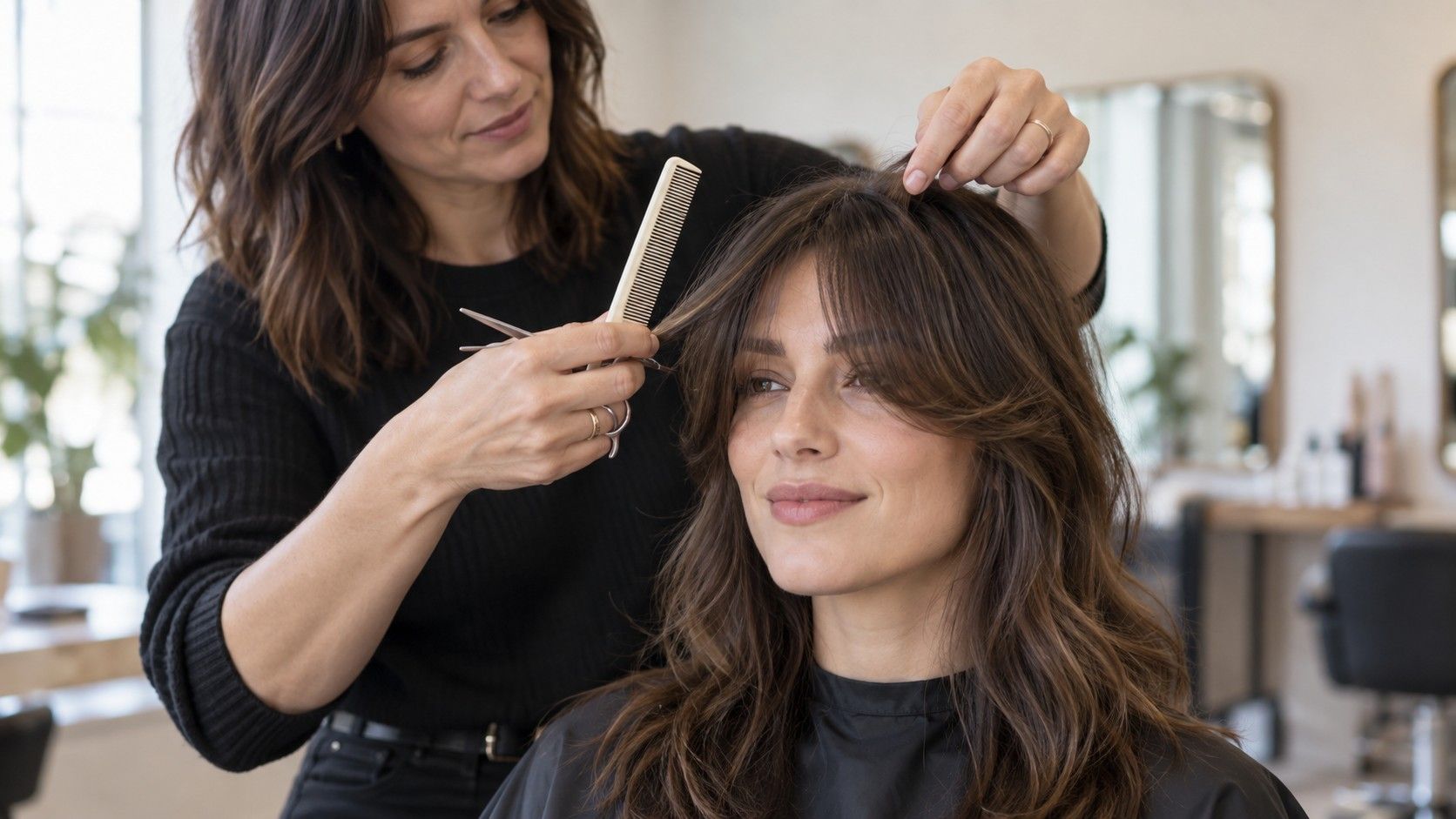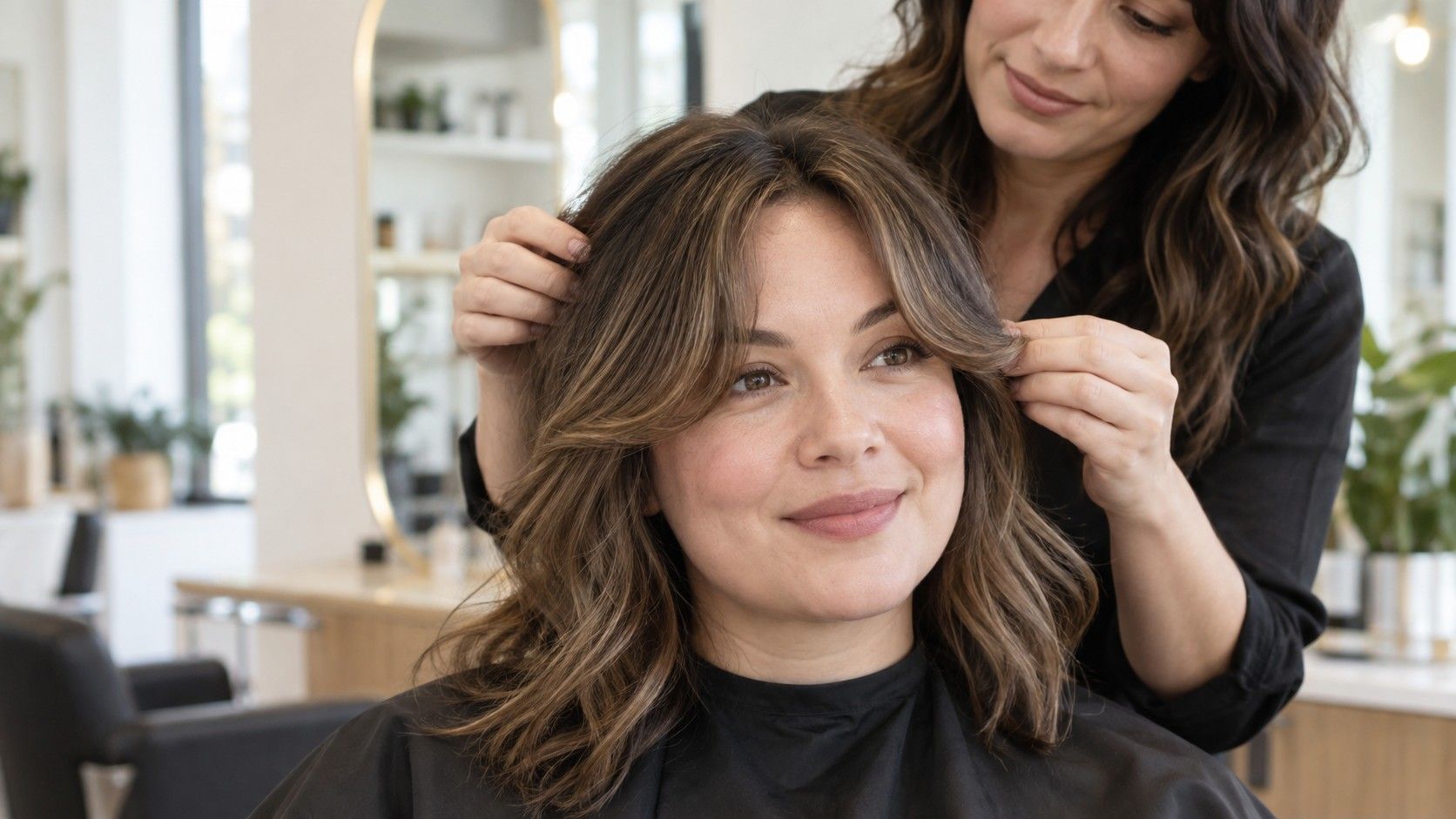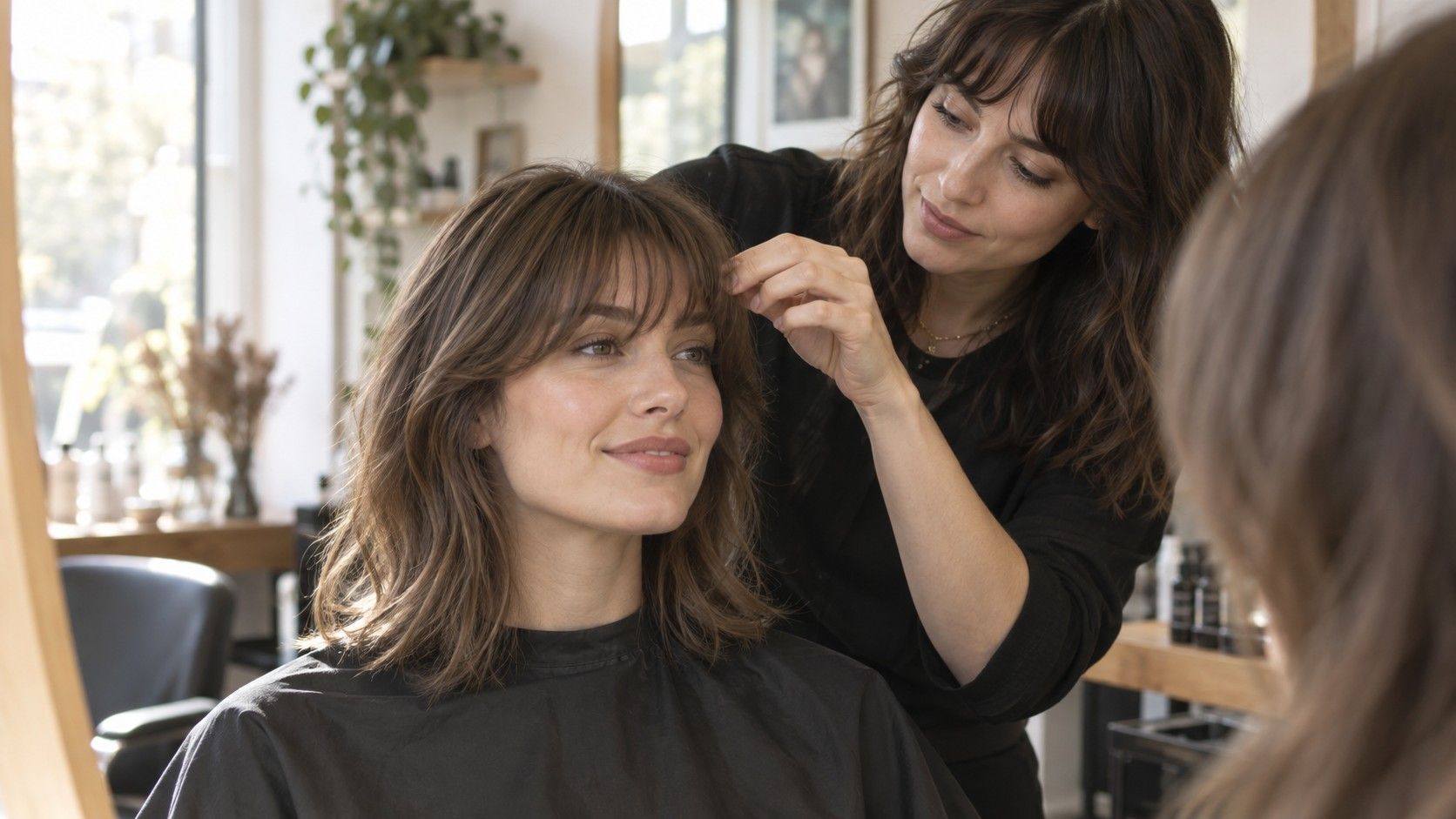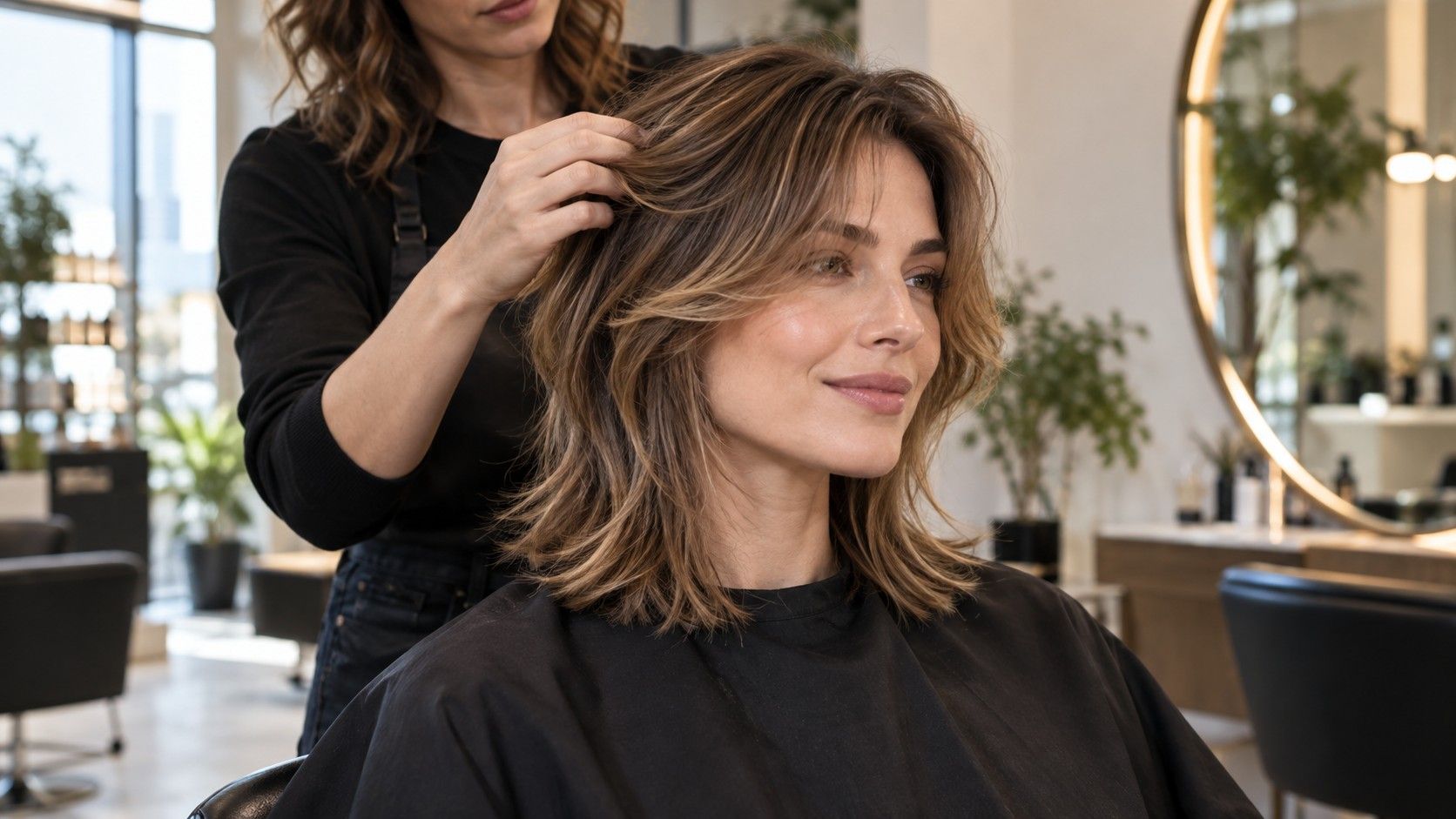
Hair trends 2027 are most useful when treated as a menu of proportions, not an instruction to copy one person’s finished salon photo. A bob may be appealing because of its clean outline, a fringe because it changes the eye area, or layers because they put movement back into long hair. None of those reasons requires the same length, density, or styling routine as the picture. The sensible approach is to notice the detail you like and test it against your own texture, schedule, and patience with trims.
Use a trend as a prompt, not a prescription
A trend photo combines a haircut, a color, a parting, professional light, and styling. It is easy to credit the haircut for all of it. Before booking, separate the elements. Would you still want the outline without the bright color? Do you like the length, or only the bounce made by a blowout? Are the bangs the interesting part, or is it simply the model’s strong brow line? These questions keep one attractive image from becoming an expensive misunderstanding.
Look for repeated details across several saved images. If three different examples have a jaw-length bob with a soft side part, that is a stronger clue than one extreme cut. If the only shared feature is a glossy finish, the change may be styling-led rather than a haircut. A good consultation begins with patterns, not with asking a hairdresser to reproduce a single photo on a different head.
Maintenance belongs in the decision too. A sharply cut micro bob can look effortless because it has a trim schedule behind it. Long layers appear casual, but may depend on a round brush to show their shape. There is nothing wrong with either arrangement; problems begin when the maintenance is left out of the conversation.
Short cuts and bobs are about the outline you see in motion
Among 2027 hair styles, short cuts and bobs will keep offering the clearest visible change without committing to a pixie. The useful choice is not “bob or no bob,” but where the line should land and whether it should be blunt or textured. A chin-length blunt bob has a strong horizontal outline and makes the jaw area more prominent. A longer bob at the collarbone moves more easily and can still be tied back on busy days.
Texture changes the same length dramatically. Straight hair displays a clean baseline, which means tiny unevenness is obvious. Wavy hair softens the line but can expand at the sides, so a blunt cut may need careful weight distribution. Thick hair often benefits from internal shaping; fine hair may look fuller when the ends are kept more solid. A stylist needs to see how the hair dries, not only how it looks after being smoothed.
Try the movement test before committing. Tuck the hair behind the ears, turn your head, and look at where the ends hit your neck and shoulders. If you wear glasses, collars, headphones, or a bike helmet, those ordinary objects affect the line more than a posed image does. The right bob is one that still looks intentional when it has been tucked and untucked all day.
| Trend idea | What to borrow | Reality check |
|---|---|---|
| Blunt bob | A clear, weighty outline | Expect regular shape trims |
| Soft layered cut | Movement around the face | Check how it dries without a brush |
| Modern fringe | Attention around eyes and brows | Allow for fringe trims and a damp reset |
| Glossy finish | Polished surface and shine | It may be styling, not a new haircut |
Layers and bangs should solve a real styling problem
Layers are worth choosing when you want long hair to feel less heavy, need a softer transition around the face, or have a wave that looks better with some shape. They are not a universal cure for flat roots. Too many short layers can make fine hair look thinner and dense hair look wider at the wrong point. The question is where the first layer begins and how it joins the length, not how many steps are cut into it.
Bangs are the fastest way to make a haircut feel new, which is why they appear in every cycle of trend coverage. They also bring the fastest maintenance. Curtain bangs can work with a centre part and blend into face framing; side-swept bangs may cooperate better with a strong directional cowlick; a full fringe needs enough density to look intentional after a humid walk. Decide whether you want brows visible, temples open, or a dense line across the forehead before choosing a name.
For both layers and fringes, make the salon request specific. “I want cheekbone-length front pieces that can be tucked back” is usable. “I want the latest layered bangs” is not. Show your normal part and explain whether you air dry, diffuse, or use a brush. Those details tell the stylist how the trend needs to change for your hair.
Styling can give you a new direction without a new haircut
Some of the most useful trend ideas are reversible. A different parting can alter volume and show more or less face framing. Setting the front sections away from the face on damp hair changes the apparent shape of long layers. A low, deliberately loose bun can make a familiar cut look modern without sacrificing length. These are low-risk experiments before a major appointment.
Start with one variable. If you usually make a centre part, try a soft off-centre part for several full days, not just in front of the mirror. Notice whether it settles back, exposes a cowlick, or conflicts with glasses. If you like the way a styling change feels at work, in wind, and on day two, it may point to a haircut that supports it.
Product should be matched to the result, not added out of anxiety. Fine hair may need a light mousse near the roots; waves often prefer a small amount of cream or gel through the lengths; thick straight hair may only need heat protection and a brush. Heavy oil is rarely the answer to a cut that lacks shape. It can make the issue look smoother for an hour while removing the movement you wanted.
Turn saved photos into a workable salon conversation
Bring two or three reference photos, ideally including one with a texture close to your own. State what you like in each: the outline in one, the fringe in another, the amount of lift in a third. Also name what you do not want, such as short pieces that cannot be tied back or a line that needs daily straightening. This lets the hairdresser build a real haircut instead of guessing which part of the image matters.
Ask for an honest comparison between the reference and your hair. A capable stylist can explain whether the effect needs a blowout, a different density, or a shorter trim cycle. That conversation is especially important with trends, where the images have often been chosen for a dramatic finish rather than a normal Tuesday. A modification is not a compromise if it makes the cut wearable.
Finally, photograph the result when it is styled and again after you wash it yourself. The second picture is the better record for a future appointment. Trends move on quickly, but a note about where your layers start, how your fringe behaved, and what your hair did after air drying is practical information you can use long after the original image has disappeared from your phone.