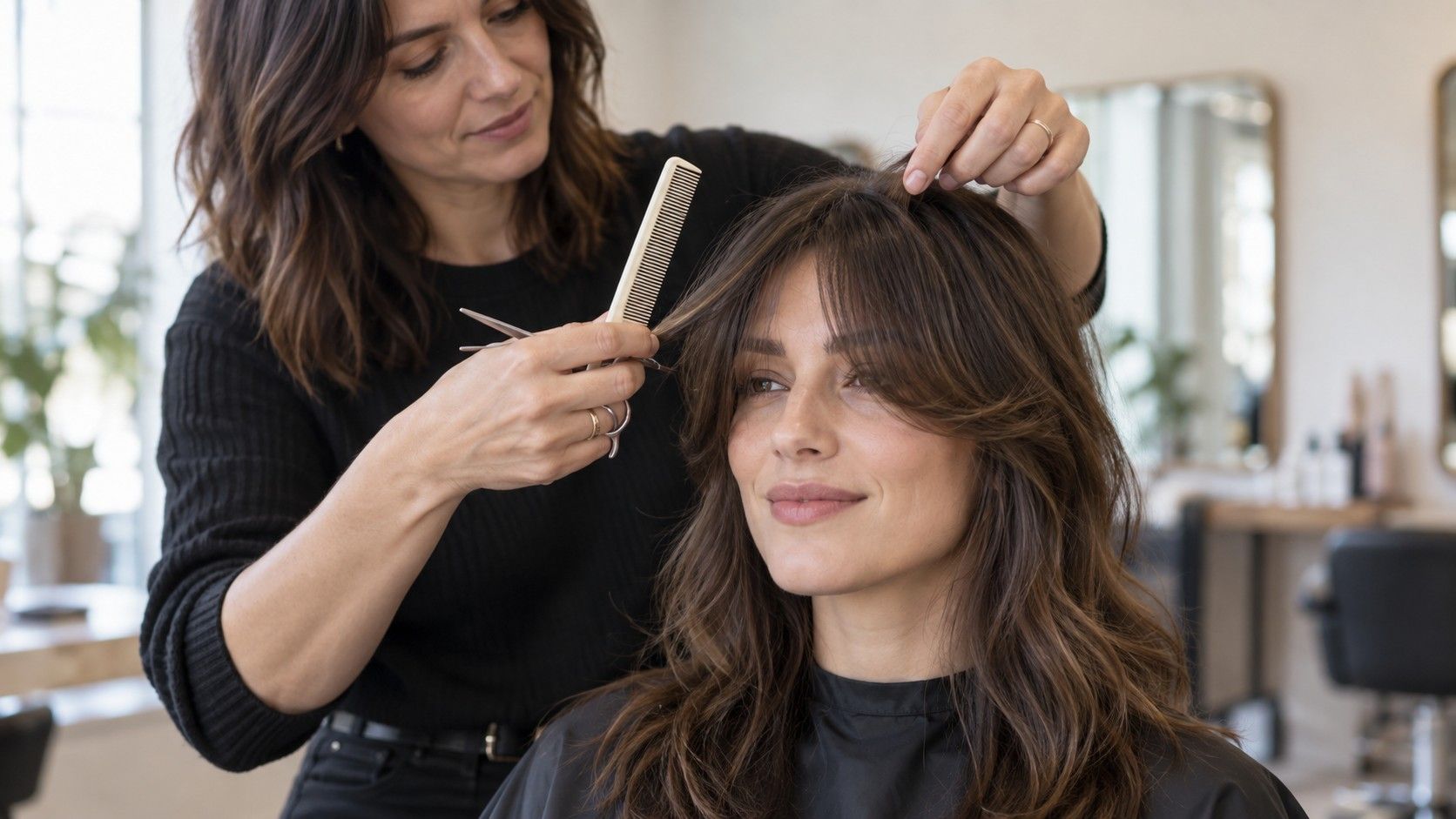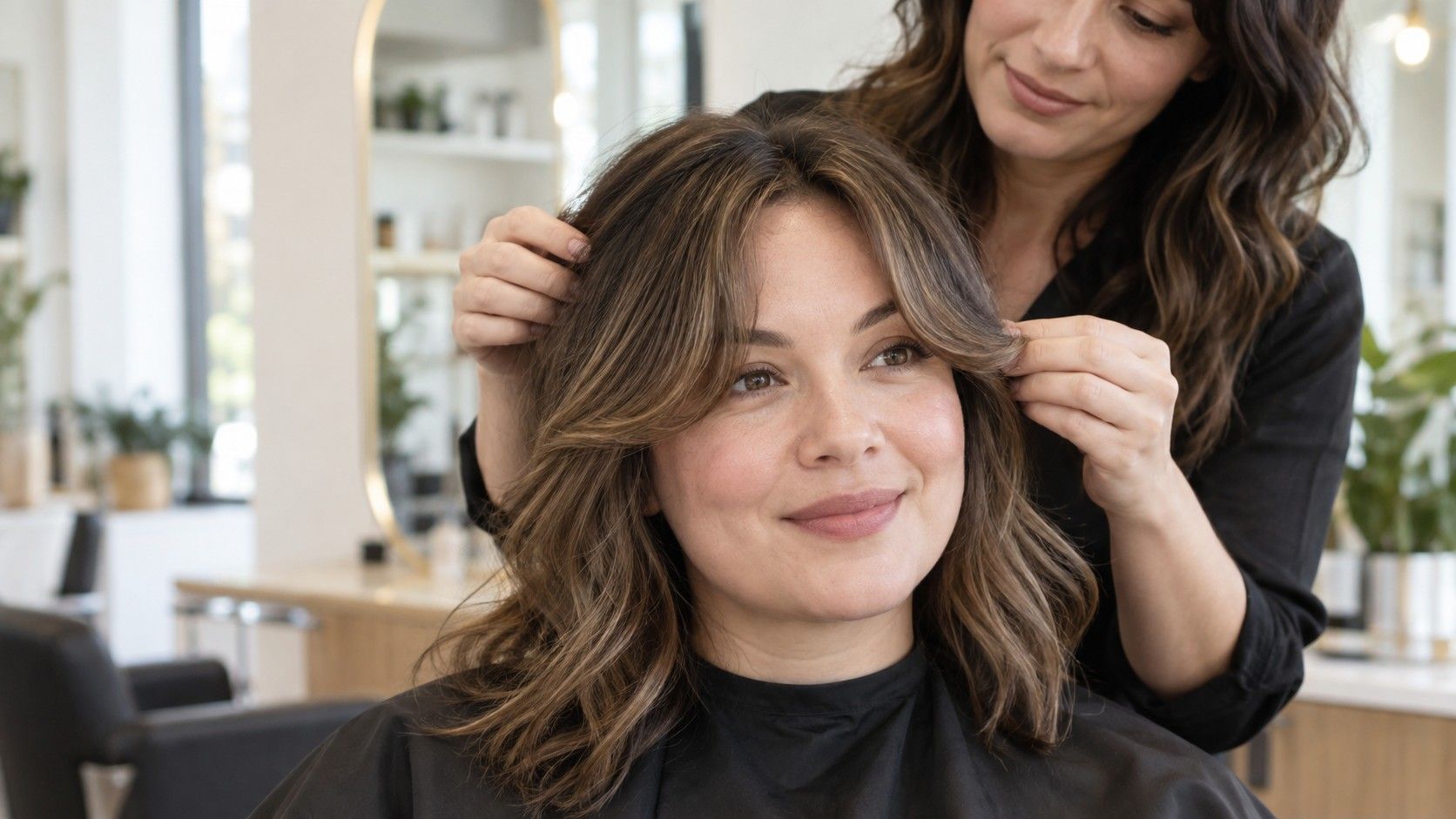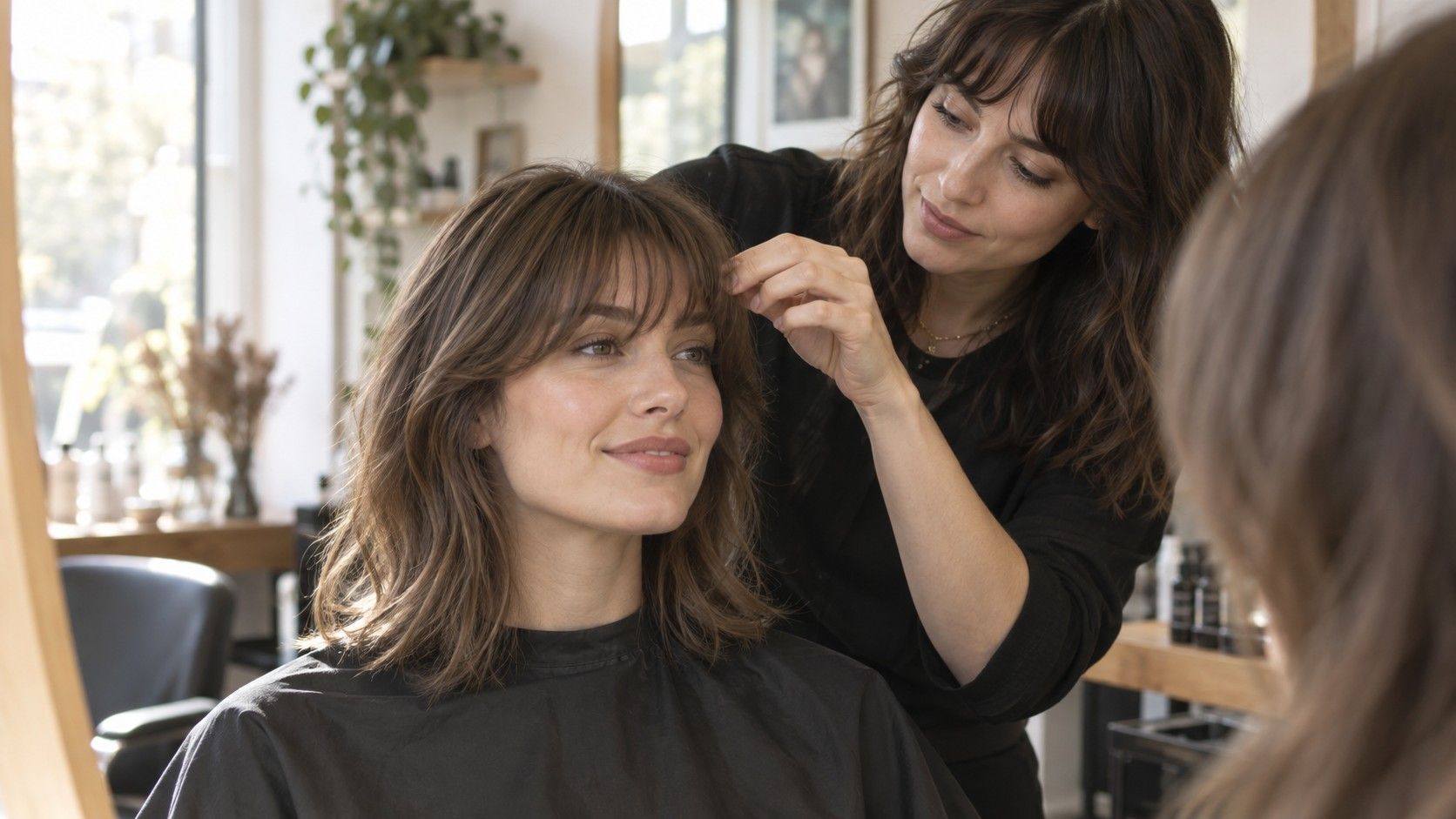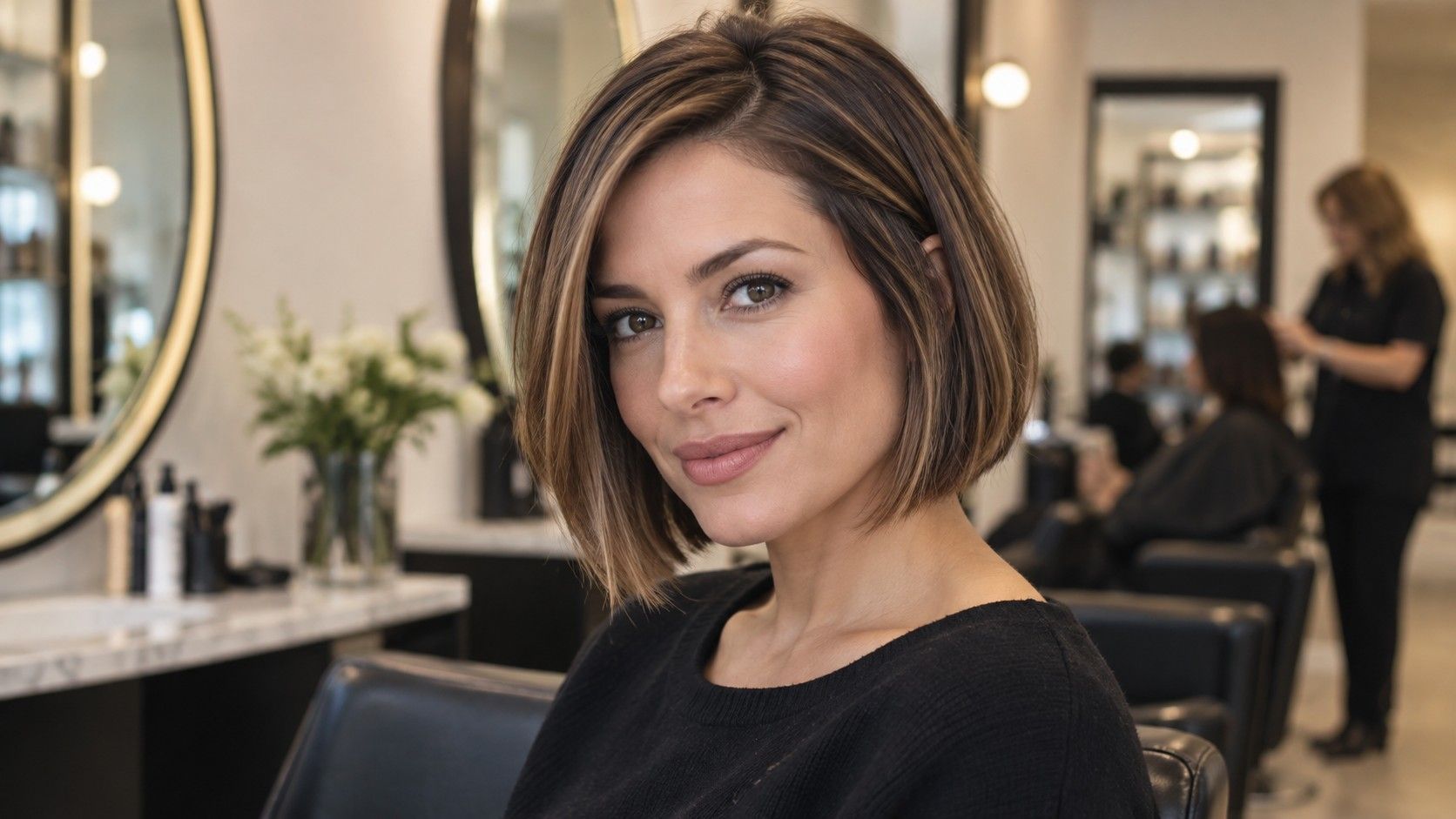
Searching for the best bob for face shape can make a haircut seem like a geometry problem with one correct answer. It is not. A bob is a family of cuts, and the version that works is usually decided by three ordinary things: where the perimeter lands, where the hair parts on its own, and how much effort you are willing to put in before leaving the house. Face shape is useful, but it should open the conversation rather than end it.
Use face shape as a starting point, not a verdict
Start by looking at the face with the hair pulled back and the chin relaxed. Notice the widest area, the jawline, and whether the forehead or lower face feels more prominent. A round face often has soft, similar width and length. A square face has more definition at the jaw. A heart-shaped face is usually wider at the forehead and narrower at the chin. An oval face has more length than width, but even then the jaw and hair density can change the picture.
That observation helps with proportions, not permission. A face can be round and still have a strong jaw, or heart-shaped with a high hairline and very thick hair. Those details matter more than a label from a face-shape filter. I would rather see a stylist check the hairline, neck length, glasses, and natural part than declare that someone is “not allowed” a French bob.
Use the word balance instead of correction. If you want the jawline to look softer, you may prefer movement below it. If you want to show a clean jawline, a precise shorter bob can do that. Neither choice fixes a face; it changes the frame around it. That is a healthier and more useful way to choose a bob haircut reference.
Length changes the whole outline before layers do
A chin-length bob puts its strongest horizontal line close to the jaw. On an oval or heart-shaped face, that can look crisp and deliberate, especially when the hair has enough density to hold a clean edge. On a round face, the same line can make the cheeks seem fuller if the cut is very blunt and the sides are styled inward. It may still look great, but it is a more specific look, not a neutral default.
A bob that ends just below the jaw gives a little breathing room. The ends can move inward, outward, or sit straighter without drawing a line through the widest part of the face. It is often an easy choice for square faces because soft texture at that level reduces the emphasis on a sharp jaw. It also gives enough length to tuck one side behind the ear, which changes the shape faster than most people expect.
A collarbone lob is the forgiving relative of the short bob. It carries the idea of a bob but gives more room for a low ponytail, air-drying, and a delayed trim appointment. Fine hair can look fuller at this length if the perimeter is kept fairly solid. Thick hair may need internal weight removal, otherwise the lower edge expands into a triangle after the first humid day.
| Bob length | Often suits | Everyday trade-off |
|---|---|---|
| Above or at the chin | Oval and heart-shaped faces; people who like a defined look | Requires regular trims and visible styling choices |
| Just below the jaw | Round, square, and mixed face shapes | Can flip outward unless the ends are directed |
| Neck-length bob | Most face shapes, especially with flexible texture | May need shaping at the nape as it grows |
| Collarbone lob | Anyone wanting a lower-commitment bob | Can look flat without root lift or a clear part |
For a round face, avoid adding width at the exact wrong place
With a round face, the simplest move is to keep some vertical direction. A slightly longer front, a soft off-centre part, or texture that begins below the cheekbones can all help. The point is not to make the face look narrow by force. It is to stop the hairstyle from repeating the same round outline at the sides.
A jaw-skimming bob with a deep side part can be effective if the roots have a little lift and one side is tucked behind the ear. A centre part can also work, but it needs enough length at the front or enough texture to avoid a helmet shape. The most difficult version for many people is a blunt, puffy bob ending right at the fullest point of the cheek, especially with volume pushed outward on both sides.
If your hair is fine, do not assume layers will solve everything. Too many short layers can remove the weight that keeps a bob looking substantial. A cleaner line with a few invisible internal layers is often more flattering. For thick hair, the opposite problem appears: the cut needs shape inside it, or the sides spread wide regardless of where the perimeter ends.
For square and heart-shaped faces, decide what you want to show
A square face can carry a sharp, structured bob beautifully, but that is a style decision. If you want to soften the jaw, choose a length slightly below it and ask for broken-up ends, gentle waves, or face-framing pieces that do not stop in one hard line. A heavy blunt cut at jaw level puts a spotlight on angles; it is elegant when intentional and less successful when you expected something soft.
With a heart-shaped face, volume around the lower half can bring balance to a wider forehead and narrower chin. A bob that is a little fuller around the jaw, a side fringe, or a softly bent end can work well. Be cautious with a very short, sleek crop plus a severe centre part if you are trying to reduce emphasis at the top of the face. Again, it is not forbidden; it simply makes the forehead more prominent.
There is a useful test when deciding between these directions. Tuck both sides behind the ears in the mirror, then release one side. If the face looks better with the asymmetry, keep that information. It may point toward a side part, a longer front piece, or a cut that has movement rather than an identical shape on both sides.
Parting and texture can change the same cut by lunchtime
The part is not a finishing detail. A centre part creates symmetry and can make a bob look graphic; it works especially well when the cut has enough length to frame the face. A side part shifts volume upward and diagonally, which can help fine hair and can soften a round or square outline. An off-centre part is often the least dramatic option and the easiest one to live with.
Do not force a part that fights the growth pattern at the crown. If the hair naturally splits left of centre and you insist on a strict middle part, you will either have a flat side or a raised ridge that shows in every photo. Ask the stylist to dry the hair in its natural direction before deciding where the part should sit. This is a two-minute check that prevents months of annoyance.
Texture matters in a similar way. A sleek glassy bob makes every line visible, including the jawline and the exact location of the ends. A soft wave blurs the perimeter and adds movement, but it needs room; overly layered hair can turn fuzzy instead of airy. If you air-dry, judge references by air-dried hair. A polished salon wave is not evidence that the same bob will behave after a shower and eight hours of sleep.
Plan the grow-out before you commit to a short bob
The shortest bob is usually the most demanding. It needs shape at the nape, and the line around the ears becomes visible sooner than you think. If you enjoy appointments every six to eight weeks, that can be part of the appeal. If you regularly stretch haircuts to four months, a neck-length bob or lob will be less frustrating and will still look considered as it grows.
Ask what happens when the cut gains an inch. A good answer mentions the nape, the front corners, and whether the hair will start kicking out at the shoulders. It should also account for your texture. Straight hair may show a grown-out perimeter quickly; wavy hair can disguise it but may expand at the sides. Those are different maintenance plans, not signs that one hair type is easier.
Colour can make a bob look more or less structured as well. One solid colour shows the cut line clearly. Fine highlights, lived-in colour, or a subtle root shadow can add depth to a softer bob without requiring dramatic layers. Keep the colour plan secondary to the shape, though. Highlights cannot rescue a length that lands at the wrong place for your preferences.
Bring reference photos that answer useful questions
Save three kinds of photo: the front view you like, a side or back view that shows the perimeter, and a picture with texture close to yours. A celebrity photo with a perfect bob is less helpful than an image showing whether the person has fine straight hair, dense waves, or a cowlick at the crown. If you only bring one image, the stylist has to guess which part of it you mean.
Tell the stylist how often you heat-style, whether you tuck hair behind the ears, and whether you need to tie it back for work. Mention glasses if you wear them; the front corner of a bob can either sit neatly around the frame or constantly catch on it. Then say plainly whether you want a polished graphic bob or a softer lived-in one. Those are different cuts even when the length looks similar on a screen.
The best bob for your face shape is the one whose proportions still make sense when the blowout fades. Choose the length that lands where you want attention, a part your hair will accept, and texture that matches your real mornings. That combination makes the haircut feel deliberate for much longer than any rigid face-shape rule.